
The Gradual Drift and Its Reversal
The Screwtape LettersThis flow interprets the patient’s decline as a sequence of small choices and his return as a practical change of direction.
increasing Bearing strength in each event
 decreasing
Bearing strength in each eventdecreasingSmall Deflections
A Change of Course
Minor Choices
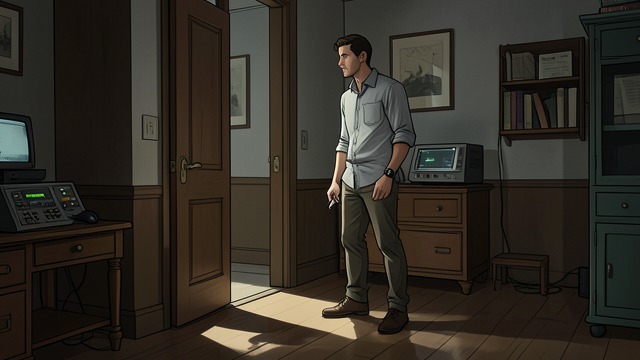
Screwtape is pleased when the patient’s attention turns away from faith through apparently trivial decisions. Each choice seems easy to reverse and therefore harmless.
Direction
The accumulated choices matter more than their isolated scale. A life can change its course without a dramatic turning point.
Uneasy Avoidance
Guilt Without Repentance
Fog
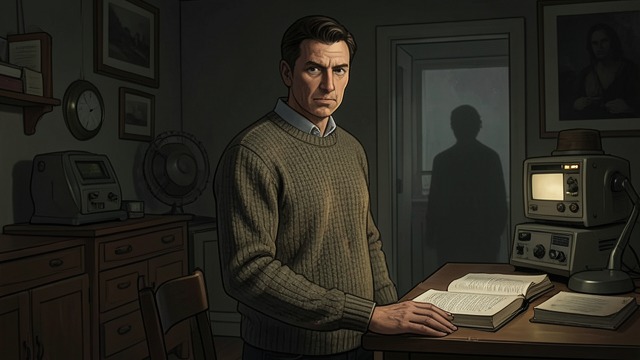
The patient senses that something is wrong but avoids naming it. Religious duties remain, yet he increasingly dislikes the possibility of real contact with God.
Entrenchment
This vague uneasiness can inhibit repentance while keeping the patient dissatisfied. Habit replaces deliberate pleasure, drawing him toward spiritual inertia.
An Ordinary Awakening
The Drift Becomes Visible
Contrast
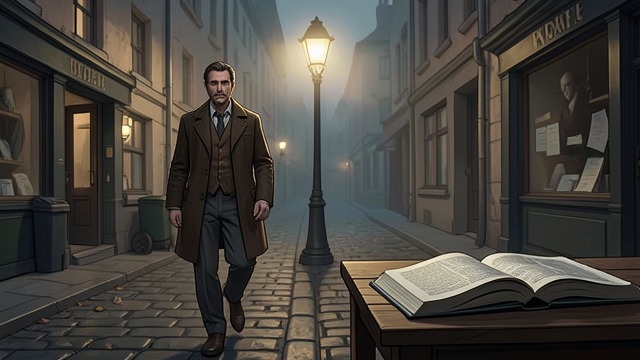
A genuine book and walk expose the artificial quality of the patient’s recent life. What had felt normal now appears thin by comparison.
Recognition
The contrast restores his ability to notice what he likes and what he has neglected. The gradual decline becomes a choice he can finally confront.
Repentance Becomes Action
A Reversed Direction
Decision
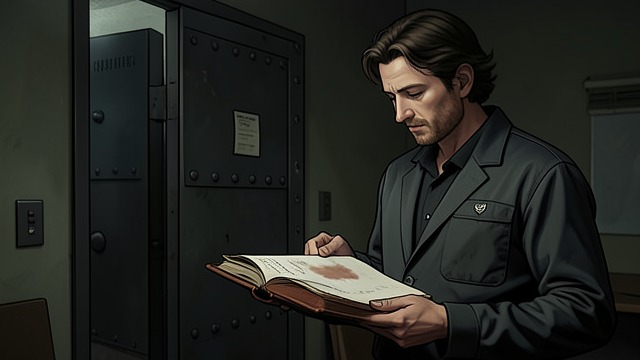
The patient’s repentance matters because it changes his conduct. A private feeling that never reaches the will would leave Wormwood’s gains intact.
Repair
Action interrupts the slow momentum of compromise. The patient does not undo every consequence, but he no longer treats his drift as inevitable.
The Course Completed

The Final Destination
Separation
Screwtape describes the patient’s arrival as the end of a course that had once pointed away from God. The patient’s last choices have not carried him into Hell.
Meaning
The story contrasts the slow danger of unexamined habits with the sudden clarity of final recognition. Small decisions mattered, but they did not make return impossible.
Soon after the patient’s conversion
During the patient’s worldly phase
After the patient reads for pleasure and walks alone
Immediately after the patient’s renewed awareness
At the ending
